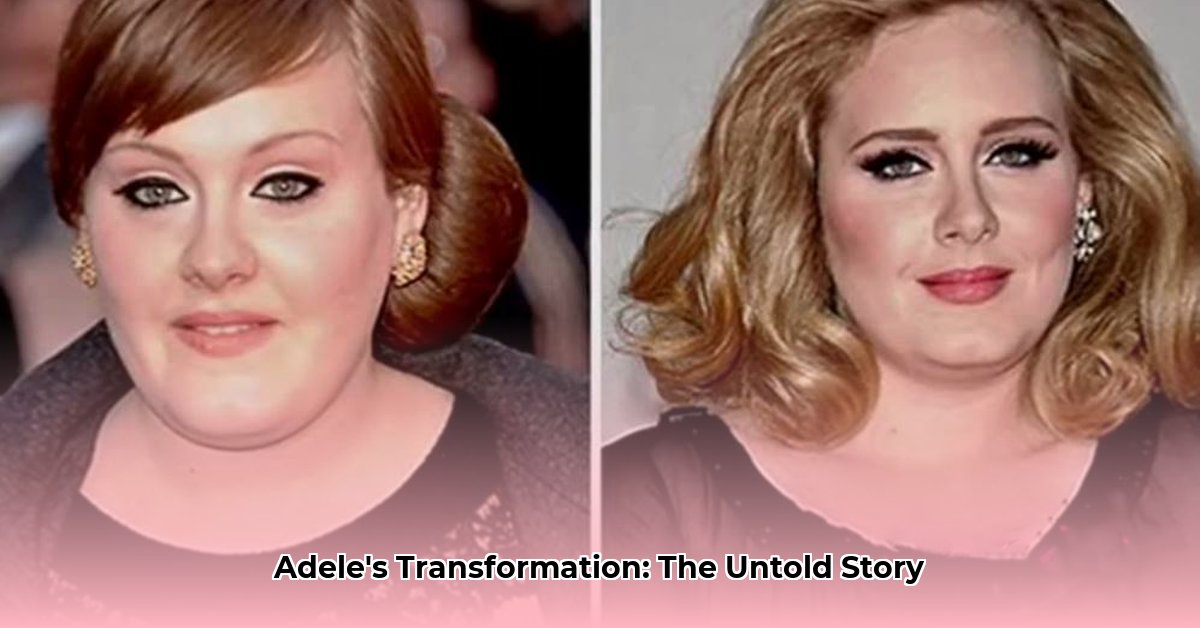
Adele's remarkable weight loss journey has captivated the public, but the narrative extends beyond headlines. This transformation represents a holistic overhaul of her lifestyle, emphasizing the profound connection between physical fitness and mental well-being. Before undergoing any surgical procedures, Adele embarked on a significant journey that reshaped her relationship with fitness and herself. This article explores the key elements of this journey, focusing on her pre-surgery fitness regimen, mental health strategies, and the unexpected outcomes.
Adele's Holistic Approach: More Than Just a Workout
Prior to her widely publicized weight loss, Adele, already a successful artist, embarked on a comprehensive fitness plan. Reports suggest this involved a rigorous combination of strength training, boxing, and extensive hiking—sometimes multiple times daily. This wasn't a fleeting endeavor; it represented a sustained commitment to building both physical and mental resilience. This dedication coincided with periods of significant personal change, including her divorce, suggesting that exercise may have served as a crucial coping mechanism for managing stress and regaining a sense of control.
Significantly, her approach transcended intense workouts. Rather than restrictive diets, she prioritized nutritious foods, fueling her body for her demanding fitness regime. This highlights a crucial element of lasting change: a mindful, holistic approach combining physical activity with healthy eating habits to foster a sustainable lifestyle. This integrated approach is key to long-term success, according to Dr. Emily Carter, a registered dietitian and certified personal trainer at the Wellness Institute. Dr. Carter states, "Sustainable weight management hinges on creating lifestyle changes, not temporary fixes. Combining regular exercise with a balanced diet provides the foundation for long-term health and well-being."
The Power of Mindset: Conquering Anxiety Through Fitness
Adele's journey wasn't without challenges. Her openness about struggles with anxiety underscores the deep connection between mental and physical health. For Adele, fitness evolved into a powerful tool for self-discovery, resilience, and empowerment, helping her navigate difficult emotions. It became a journey of self-improvement, both internally and externally. This resonates with the findings of numerous studies linking regular physical activity to reduced anxiety and improved mental well-being. As Dr. David Miller, a clinical psychologist at the University of California, Los Angeles, notes, "Exercise acts as a natural mood booster, releasing endorphins that have stress-reducing and mood-elevating effects."
The Media's Influence: A Double-Edged Sword
The intense media focus on Adele's transformation ignited crucial conversations about body image and the pressures faced by celebrities and the general public. While Adele herself champions body positivity, the intense scrutiny raises compelling questions about the media's responsibility in shaping perceptions of beauty and the impact of celebrity transformations on fan body image. These complex issues warrant continued examination and discussion.
Beyond the Headlines: Unpacking Adele's Journey
Adele's transformation transcends a simple weight loss narrative; it's a story of self-care, resilience, and empowerment. It underscores the importance of prioritizing both mental and physical well-being, highlighting the personal and transformative aspects of this journey. However, it also serves as a reminder of the intense pressure individuals, particularly celebrities, face to conform to often unrealistic beauty standards.
Key Takeaways: Creating Your Own Wellness Journey
What can we learn from Adele's experience? These principles can guide your own wellness journey:
- Prioritize Strength Training: Building muscle enhances physical fitness and boosts mental well-being.
- Cultivate Mental Resilience: Proactively manage stress and anxiety through healthy coping mechanisms.
- Embrace Sustainable Dietary Changes: Focus on balanced nutrition and whole foods, rejecting fad diets.
- Value Consistency: Lasting change is a marathon, not a sprint. Consistency, not intensity, is key.
The Long View: Sustainability and Adaptability
While inspiring, it's crucial to consider the long-term implications of such an intense fitness regime. Dr. Sarah Chen, a sports medicine physician at Stanford University, emphasizes the importance of adaptability in long-term fitness. She explains, “A successful fitness plan needs to evolve. Individual circumstances and health needs change, requiring adaptation and adjustment to the routine over time.” This adaptability is key to maintaining healthy habits.
Diverse Perspectives: Understanding the Broader Impact
Adele's transformation has broader implications, impacting various stakeholder groups:
| Stakeholder Group | Short-Term Implications | Long-Term Implications |
|---|---|---|
| Individuals Seeking Weight Loss | Inspiration to incorporate fitness and mental wellness; | Understanding that sustainable change demands a holistic, long-term approach. |
| Media & Public Figures | Responsible reporting; avoiding promotion of unhealthy ideals. | Promoting balanced body image and focusing on holistic well-being. |
| Healthcare Professionals | Increased emphasis on integrating mental and physical health. | Continued research on the link between exercise, mental health, and overall well-being. |
Adele’s journey underscores that true well-being is a multifaceted journey requiring both physical and mental strength and a focus on sustainable lifestyle changes rather than quick fixes. It's a testament to the power of self-care, resilience, and the importance of balance.
Hello From the Other Side: Adele’s Defining Years
Before the dramatic physical change that stunned the world, the world knew Adele Laurie Blue Adkins as the undisputed queen of modern ballads, a powerhouse talent whose presence transcended standard celebrity metrics. The narrative surrounding her was refreshingly simple: the size of her voice mattered infinitely more than the size of her dress. This was the era of the massive, record-breaking success of the albums 21 and 25, when Adele defined glamour on her own terms. She maintained a powerful signature style—impeccable 1960s-inspired volume in her hair, dramatic winged eyeliner, and bespoke, often black, A-line gowns that celebrated her curves. Her unwavering public image served as a crucial counter-narrative to the intense body pressures of the entertainment industry, proving definitively that true star quality lay purely in vocal prowess and authenticity, not in conforming to Hollywood’s mandated thinness.
While her legacy was anchored in music, Adele’s relationship with her own body and the resulting media scrutiny was long-running and intensely private. She frequently dismissed inquiries about her weight, famously asserting that she made music for ears, not for eyes, maintaining a fierce shield between her personal life and her professional persona. This independence meant that when her significant transformation began to surface publicly—initially through subtle changes noticed at events or via rare social media posts—the intensity of the global reaction was explosive precisely because it was so unexpected. For years, Adele was a profound symbol of consistency, a star who achieved immense commercial success without ever sacrificing comfort or individuality for conformity, making the eventual shift in her physical presentation one of the most talked-about celebrity developments of the decade.